
Health Blog
Effective Herniated Disc Treatment with Physical Therapy: What to Know

When Wesley (not his real name) first visited , he endured daily back pain that affected every aspect of his life. He was told he had a lumbar disc herniation, which is a condition where a disc in the lower spine bulges or ruptures. This led to radiating pain down his leg, limited mobility, and constant discomfort. Sitting at work became challenging; he avoided long walks with his family and often woke up feeling stiff and unrefreshed.
Read full blogLabral Tear Recovery: How Physical Therapy Supports Healing & Treatment

When Arianna (not her real name) injured her shoulder during a fall while trail running, she didn’t think much of it at first. But weeks later, the pain still lingered, making everyday tasks like lifting groceries or reaching into the back seat of her car uncomfortable. After receiving a diagnosis of a labral tear, she decided she needed a structured plan for recovery. That’s when she began labral tear shoulder treatment at , aiming to avoid surgery and return to her active lifestyle.
Read full blogNeck Pain Relief: How Manual Therapy Can Improve Mobility

Neck pain is one of the most common issues adults face—and it can make simple movements like turning your head or sitting through a meeting feel exhausting. It often starts from poor posture, repetitive motion, or stress, and it can stick around as chronic stiffness or pain that radiates into the upper back or shoulders. For people looking for a safe, hands-on solution, manual therapy for neck pain offers a practical and proven way to ease tension and restore movement.
Read full blogThe Role of Physical Therapy in Post-Injury Work Rehabilitation

Workplace injuries can disrupt more than just your ability to complete tasks—they can interfere with movement, energy, and physical reliability on the job. Whether you’re recovering from a strain, repetitive-use injury, or surgery, returning to work requires more than rest. Post-injury rehabilitation with physical therapy provides the structure and support workers need to rebuild strength, restore mobility, and reduce reinjury risk.
At , our physical therapists develop customized plans to help patients recover safely and return to their jobs with greater control, improved movement, and reduced pain.
Read full blogCan Physical Therapy Help Spinal Stenosis Pain? What You Need to Know

Spinal stenosis is a condition that occurs when the spaces within your spine narrow, placing pressure on nearby nerves. This can cause pain, numbness, tingling, or weakness—most commonly in the lower back, legs, neck, or arms. While the diagnosis may feel discouraging, many people find meaningful spinal stenosis pain relief with non-surgical care. Physical therapy is one of the most effective first-line treatments to reduce symptoms, improve mobility, and maintain daily function.
At , our physical therapists create individualized care plans that target the root causes of discomfort.
Read full blogHow Physical Therapy Helps Relieve Lower Back Pain and Prevent Flares
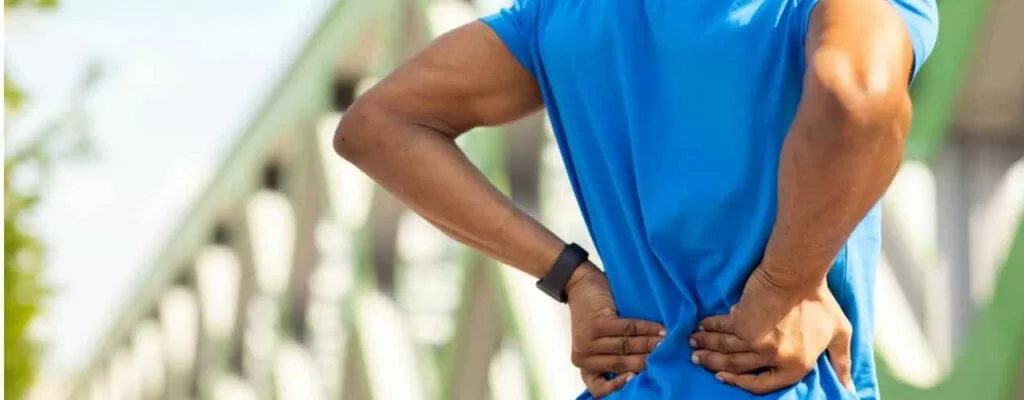
Lower back pain is one of the top reasons people seek medical help-and for good reason. It can make daily activities feel uncomfortable, exhausting, or even impossible. Whether it’s caused by a strain, poor posture, spinal degeneration, or long hours at a desk, back pain can interfere with your quality of life. Fortunately, conservative lower back pain treatment through physical therapy can reduce symptoms, restore movement, and help prevent future flare-ups.
At , our physical therapists use proven techniques to guide patients through recovery.
Read full blogHow Manual Therapy Helps Athletes Recover from Sports Injuries
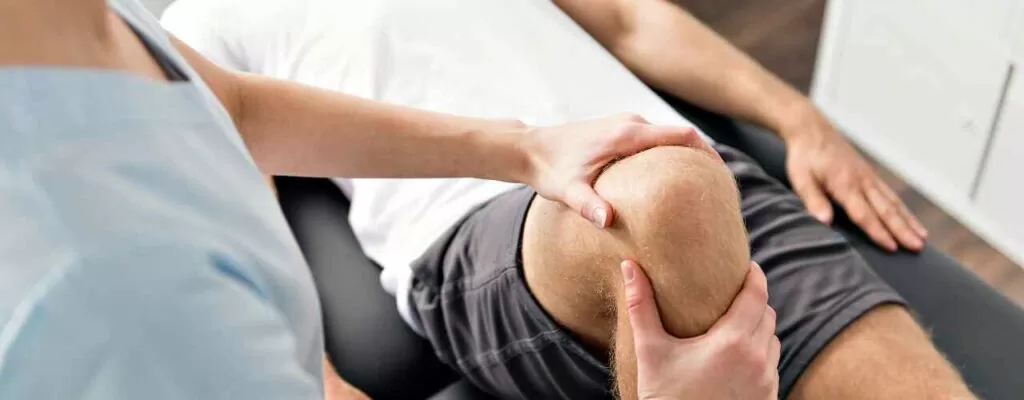
Recovering from a sports injury takes more than rest. Whether you’re dealing with a sprain, strain, or overuse condition, healing requires an active, structured approach. For many athletes, manual therapy for sports injuries offers a hands-on solution that reduces pain, restores movement, and supports a faster, safer return to activity—without relying on pain medications or passive treatments.
At , physical therapists use manual therapy as part of individualized treatment plans that help athletes recover fully and move better.
Read full blogEffective Pain Management Strategies for Workers

David (not his real name), a 47-year-old mechanic, came to after months of dealing with persistent back and shoulder pain that gradually affected his ability to work. Long hours spent bent over engines, lifting heavy tools, and repeating the same movements wore down his body. As the discomfort worsened, David began taking more breaks during shifts and struggled to complete basic tasks like reaching overhead or standing for long periods. He didn’t want short-term relief—he needed lasting results.
Read full blogDegenerative Disc Disease and Physical Therapy: What You Should Know

Degenerative disc disease (DDD) is a common condition that affects the spinal discs—those small cushions between your vertebrae that absorb shock and support movement. As we age, these discs may start to wear down, leading to pain, stiffness, and limited mobility. While the word “disease” may sound serious, DDD is a natural part of aging—and many people manage it well with non-surgical care. One of the most effective options for degenerative disc disease treatment is physical therapy.
Read full blogSciatica and Physical Therapy: A Non-Surgical Approach to Relief

Sciatica is a painful condition caused by irritation or compression of the sciatic nerve—most often from a herniated disc, spinal stenosis, or tight muscles in the lower back or pelvis. Symptoms include sharp or burning pain that radiates down one leg, often accompanied by numbness or muscle weakness. Although surgery may seem like the only option, most people find long-term relief with conservative care. For many, sciatica pain treatment through physical therapy offers an effective, non-invasive solution.
Read full blog