Health Blog
Rehabilitation After Injury: Regaining Confidence and Quality of Life
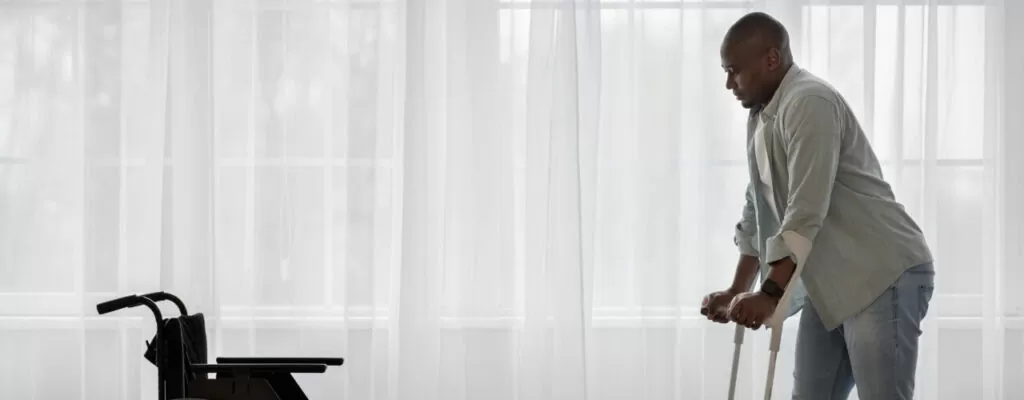
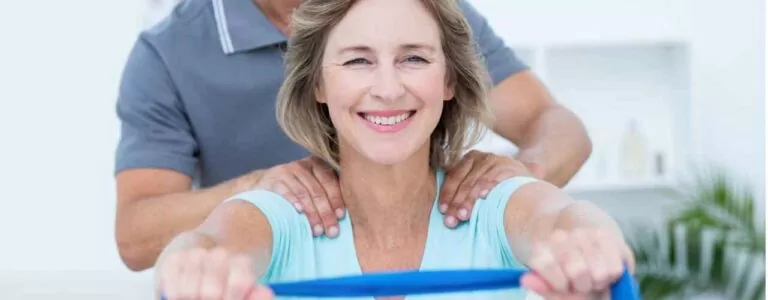
Rehabilitation after injury is more than just physical recovery—it’s about regaining confidence, restoring quality of life, and returning to the activities you love. Take Alex, a dedicated soccer player who suffered a knee injury during a crucial game. This unexpected setback sidelined him from soccer and affected his daily routine, from walking his dog to playing with his friends.
If you resonate with Alex’s experience, feeling the frustration of being limited by an injury and eager to get back on track, it’s time to explore the power of rehabilitation.
Read full blogSports Injury Types: Understanding and Preventing Common Athletic Injuries
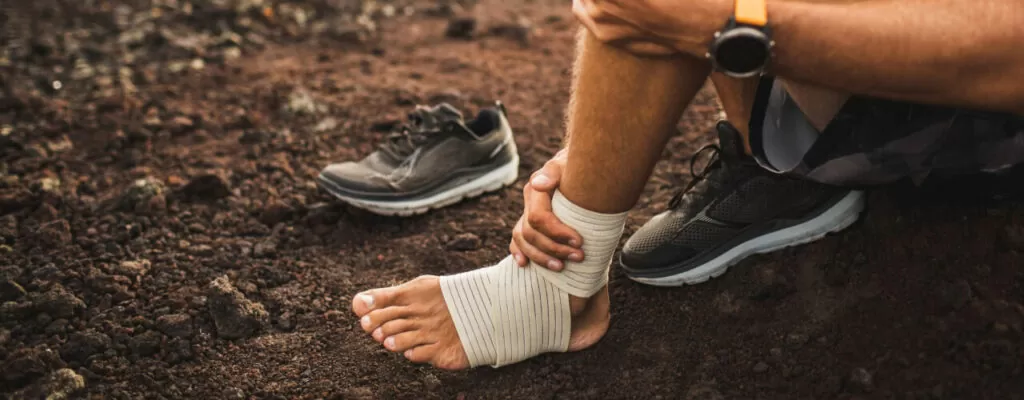
Are you tired of being sidelined by sports injuries, feeling the frustration of not being able to participate fully in the activities you love? Whether you’re a weekend warrior or a seasoned athlete, sports injuries can disrupt your life and hinder your performance. Various sports injury types can impact athletes, from sprains and strains to more severe conditions.
Meet Mark (not his real name), an avid runner who experienced a sharp pain in his knee during his last marathon.
Read full blogCoping with Work-Related Knee Injuries: Treatment and Rehabilitation
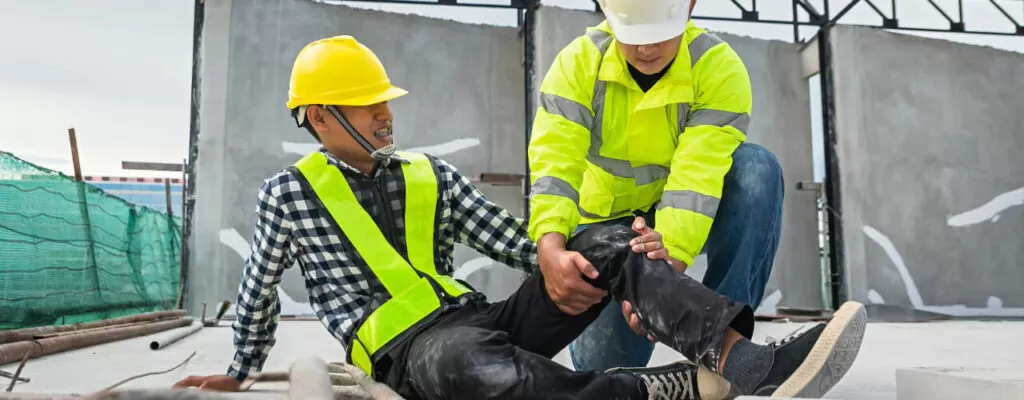
In today’s fast-paced work environments, knee injuries are alarmingly common, affecting individuals across various industries. Such injuries can lead to significant discomfort and impairment, hindering one’s ability to perform daily tasks effectively. Physical therapy is a crucial ally in the journey to overcome work-related knee injuries. With its focus on targeted exercises, manual techniques, and evidence-based interventions, physical therapy offers a comprehensive approach to pain relief and functional restoration.
Ready to get started with physical therapy for work-related knee injuries?
Read full blogRotator Cuff Injury: Understanding, Treating, and Rehabilitating Shoulder Injuries
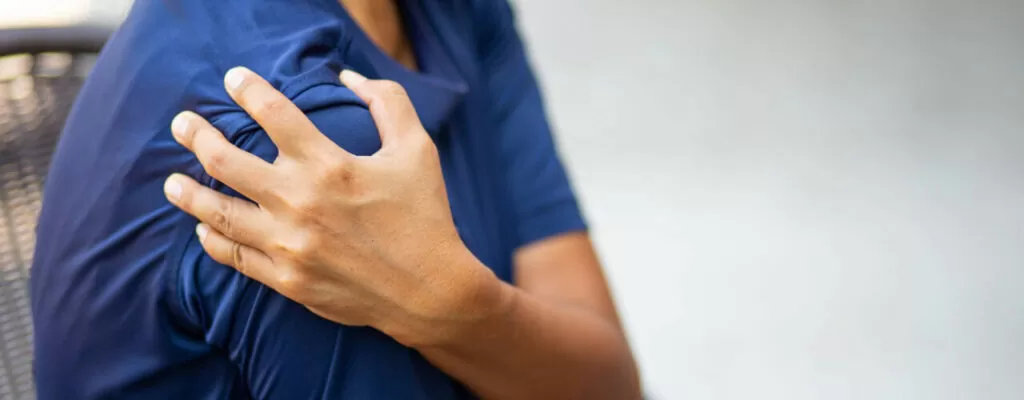
Rotator cuff injury is a common problem affecting about 2 million people in the United States every year. This injury can cause significant pain and limit your shoulder’s mobility. Physical therapy offers effective treatment options to help you recover faster and regain strength in your shoulder.
What is a Rotator Cuff Injury?
A rotator cuff injury involves damage to the muscles and tendons surrounding your shoulder joint.
Read full blogSports-Related Back Injuries and Recovery

Sports-related back injuries are common among athletes across all levels and can significantly impact performance and quality of life. These injuries range from acute strains to more severe conditions such as herniated discs or fractures. Explore the types of back injuries common in sports, effective recovery protocols, and how incorporating physical therapy can expedite recovery.
Suffering from a sports-related back injury and need expert rehabilitation? Contact our team at in University Place, WA today to learn how we can support your recovery and enhance your athletic performance.
Read full blogBack Pain Prevention Strategies: Tips for a Healthy Back and a Pain-Free Life
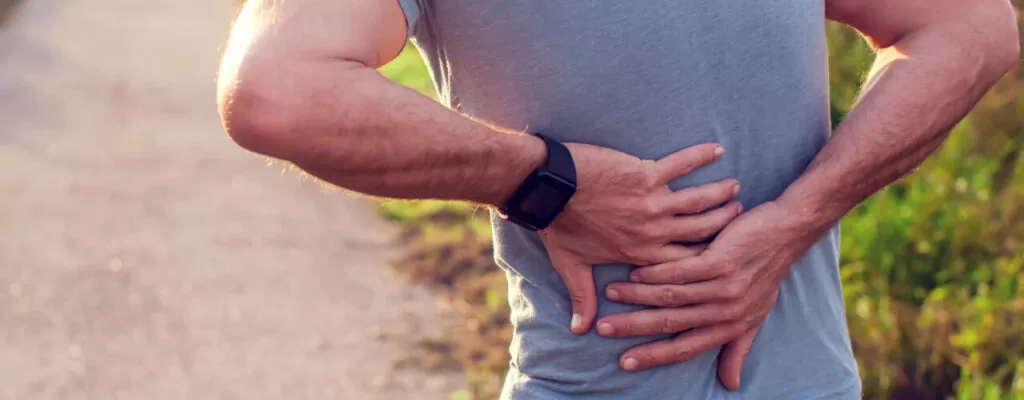
Meet Linda (not her real name), a dedicated nurse who spent her weekends hiking and exploring nature. Lately, she had been struggling with persistent back pain, making her shifts at the hospital and her outdoor adventures less enjoyable. For Linda, and many like her, finding effective back pain prevention strategies is essential to reclaiming a pain-free life.
Understanding Back Pain: Common Symptoms and Causes
Symptoms of Back Pain
Muscle Aches or Stiffness
- One of the most common back pain symptoms is stiffness in the lower back after prolonged standing or physical activity.
Alleviating Pain Through Soft Tissue Manipulation: A Manual Therapy Approach
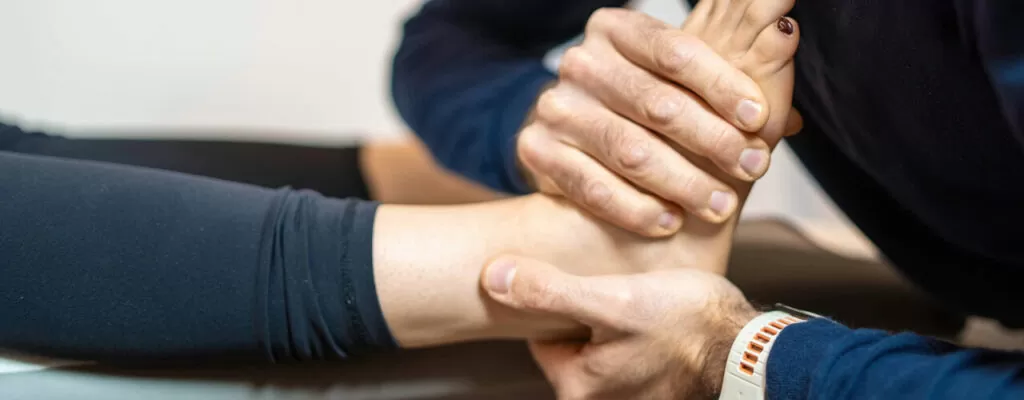
Soft tissue manipulation is a cornerstone of manual therapy, offering significant benefits in treating various musculoskeletal conditions. This specialized physical therapy treatment focuses on the muscles, ligaments, and fascia to relieve pain, reduce inflammation, and improve mobility. It helps alleviate acute and chronic pain, enhance tissue healing, and restore function.
Experiencing persistent pain and looking for non-invasive treatment options? Contact our University Place, WA clinic today to learn how our targeted manual therapy techniques can benefit you.
Read full blogFrozen Shoulder Relief: Effective Exercises and Recovery Strategies
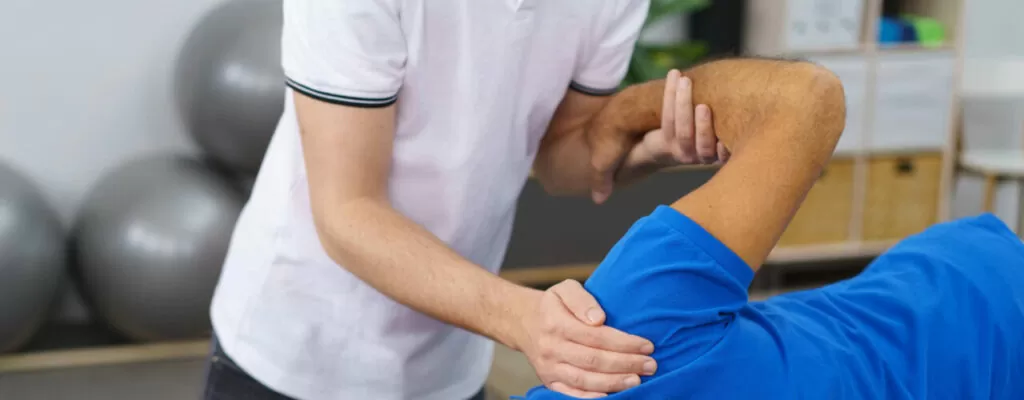
Frozen shoulder, or adhesive capsulitis, is characterized by stiffness and pain in the shoulder joint, leading to a limited range of motion. Fortunately, physical therapy is effective in managing frozen shoulder and helping patients find frozen shoulder relief through tailored exercises and recovery strategies.
Struggling with a frozen shoulder and looking for ways to manage your condition? Contact our team at in University Place, WA today to learn how we can assist you in overcoming the challenges of a frozen shoulder.
Read full blogCoping with Repetitive Strain: Techniques to Alleviate Work-Related Muscular Discomfort
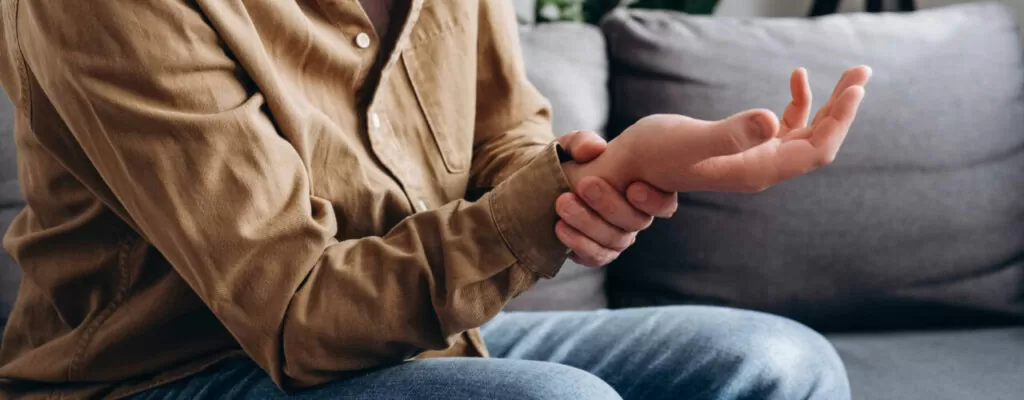
Are you feeling the strain of repetitive tasks taking a toll on your body? Coping with repetitive strain is a common challenge faced by individuals in various professions, from office workers spending hours at a desk to factory workers engaged in repetitive motions. Explore the world of work-related repetitive strain and effective strategies for relief.
Ready to get started with physical therapy for work-related repetitive strain? Call our team at in University Place, WA today to learn more!
Read full blogAddressing Muscular Imbalances: How Stretching and Strengthening Exercises Aid Manual Therapy

Muscular imbalances, where one set of muscles becomes stronger and tighter than its opposing set, can lead to various physical issues, including poor posture, abnormal movement patterns, and increased risk of injury. Imbalances are typically seen in people who perform repetitive tasks, have sedentary lifestyles, or in athletes who primarily train specific muscle groups. An integrated approach of exercises and manual therapy helps correct the imbalances and enhances the effectiveness of each treatment modality, leading to better overall physical health and performance.
Read full blog